You’ve got questions. We’ve got answers.
Short answer: Costs vary widely depending on medical needs, agency services, surrogate compensation, legal and insurance arrangements — expect the total to be in the tens of thousands of US dollars rather than a small one-time fee.
Long answer: Major cost components include IVF and embryo creation (clinic fees and possible egg donation), surrogate compensation, agency fees, legal fees (contracts and parentage orders), and pregnancy insurance for the surrogate. Prices reported by clinics and agencies vary by package and services included; clinics in Georgia are generally less expensive than many Western alternatives, but the final figure depends on whether you need donor eggs, multiple transfer attempts, or special legal/medical services. For detailed information, read our blog.
Short answer: Yes — commercial and gestational surrogacy is legally practiced in Georgia under a regulatory framework that protects intended parents and surrogates, though eligibility rules apply.
Long answer: Georgian law and the country’s medical/registry framework have for years supported surrogacy arrangements, and intended parents are generally recognized as the legal parents under the law once the contract and required formalities are completed. However, the law does set eligibility limits, so it’s important to confirm the current rules with a Georgian specialist before you start.
For detailed information, read our blog: Surrogacy in Georgia.
Short answer: gestational surrogacy (where the carrier is not genetically related to the child) will generally be the most common and will follow the same major cost categories described above; the total depends on whether you need donor eggs, number of embryo transfers, and the level of agency/legal support.
Long answer: Gestational journeys typically include IVF cycles to create embryos, embryo transfer(s), medical monitoring during pregnancy, surrogate compensation, legal fees and insurance. Because gestational surrogacy removes the surrogate’s genetic link, it is the standard route for most international intended parents but is usually more expensive than a theoretical “traditional” arrangement because it requires IVF/embryology services. Clinics/agencies in Georgia publish different packages; compare what each package actually covers (number of transfers, guarantees, legal support, birth hospital, etc.) before committing.
For detailed information, read our blog: Surrogacy Costs

Short answer: A surrogacy agreement (also called a surrogacy contract) is a legally binding document that sets out the rights, responsibilities, and expectations of the intended parents and the surrogate before embryo transfer; in Georgia it must be completed at the appropriate stage under local rules.
Long answer: Typical contents: parties’ identities, medical and psychological screening confirmations, schedule of payments and reimbursement, confidentiality and behavioral obligations during pregnancy, birth and post-birth procedures, parental rights, and dispute resolution. The agreement is drafted by Beta Plus Surrogacy lawyers and is intended to prevent ambiguity and protect medical and parental interests. Georgian practice normally requires the contract to be finalized and signed before embryo transfer or per the clinic’s regulatory checklist. Because the legal parentage rules in Georgia favor intended parents once the contract and required steps are followed, a properly drafted agreement is critical.
The broad steps are: consultation → medical/psychological screening and legal intake → matching with a surrogate (if using an agency) → legal contract signed → IVF/embryology and embryo transfer → pregnancy care and monitoring → birth and legal parentage formalities. Timelines vary but expect many months from first consultation to birth.
To see the detailed timeline, read our blog: Surrogacy Process.
Short answer: Intended parents typically need to travel to Georgia, Ukraine or Mexico twice during the surrogacy process — first for the medical stage (sperm and/or egg retrieval) and again to welcome their baby after birth.
Long answer: Intended parents usually travel twice to undergo the surrogacy process. If visiting at the specific time requested by the clinic isn’t possible, parents can come earlier to provide and freeze sperm for future use in the IVF procedure.
For those who already have frozen embryos, there’s also an option to grant a limited Power of Attorney to the clinic’s authorized representatives. This allows the team to manage the embryo transfer on your behalf. To make the document valid, the Power of Attorney must be notarized and legalized in your home country before being sent to Beta Plus Surrogacy. In this scenario, parents would only need to make one trip — to pick up their newborn.
In vitro fertilization (IVF) is an advanced fertility treatment in which eggs are retrieved from the ovaries and fertilized with sperm in a laboratory setting. The resulting embryos are then transferred into the uterus to achieve pregnancy.
At Beta Plus Surrogacy, IVF is a key part of many intended parents’ journeys — we use world-class technology and compassionate care to maximize your chances of success. For more information, read our blog: What is IVF?
The total cost of IVF varies depending on several factors — such as the fertility clinic’s pricing, whether donor eggs or sperm are used, the number of IVF cycles required, and additional procedures like genetic testing (PGT/PGS).
At Beta Plus Surrogacy, we help clients plan realistically by providing transparent, personalized guidance and connecting them with our own clinic that balances quality care with reasonable costs. For detailed information, read our blog: IVF costs and packages
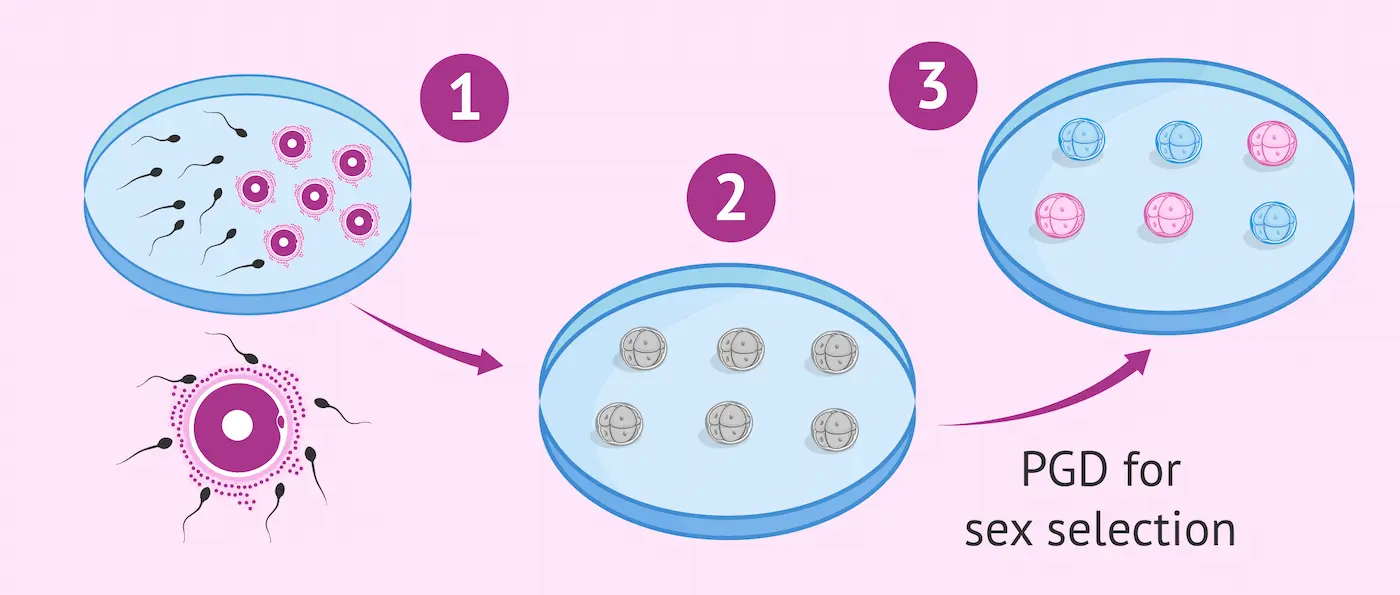
IVF works by stimulating the ovaries to produce multiple mature eggs, which are then collected through a minor procedure. These eggs are fertilized with sperm in a laboratory, and after several days of growth, one or more healthy embryos are selected for transfer into the uterus.
Beta Plus Surrogacy coordinates every step, to make sure that the process is seamless and well-managed for our patients.
For detailed information, read our blog: IVF process and timeline
A single IVF cycle typically takes four to six weeks, depending on individual medical needs and clinic protocols. This includes ovarian stimulation, egg retrieval, fertilization, embryo growth, and transfer.
At Beta Plus Surrogacy, our coordinators help clients manage each stage with clarity and support, from the first consultation to the positive pregnancy test.
For detailed information, read our blog: IVF process and timeline
IUI (Intrauterine Insemination) involves placing prepared sperm directly into the uterus during ovulation, allowing fertilization to happen naturally inside the body.
IVF (In Vitro Fertilization), on the other hand, takes fertilization outside the body in a lab, creating embryos that are later transferred into the uterus.
At Beta Plus Surrogacy, our fertility partners assess each case to recommend the most effective method — though for most surrogacy journeys, IVF is required to ensure genetic linkage and medical control.
The IVF process generally includes five key stages:
Ovarian stimulation – Medication stimulates egg production.
Egg retrieval – Mature eggs are collected from the ovaries.
Fertilization – Eggs are combined with sperm in the laboratory.
Embryo culture – Embryos grow in controlled conditions for several days.
Embryo transfer – The healthiest embryo(s) are placed into the uterus.
At Beta Plus Surrogacy, we monitor every stage closely, ensuring medical precision and emotional support throughout the journey.
For detailed information, read our blog: IVF process and timeline
Whether through surrogacy, egg donation, or IVF, our team is here to guide you with care and expertise every step of the way. Together, we’ll focus on what matters most: helping you build the family you’ve always dreamed of.
Every story starts with a first step — and we’re here to take it with you: