
Table of Contents
Endometriosis is a chronic inflammatory disease affecting women of reproductive age. It is often associated with challenging symptoms like pelvic pain and, critically, fertility issues. If you are experiencing infertility from endometriosis, or suspect this condition might be the cause of your conception challenges, understanding the link is the first step toward finding effective solutions.
Advancements in medical knowledge have significantly improved our understanding of this condition. While it is benign (non-cancerous), its impact can be debilitating. Modern medicine offers many treatment options to address both the pain and the potential infertility from endometriosis.
What is Endometriosis?
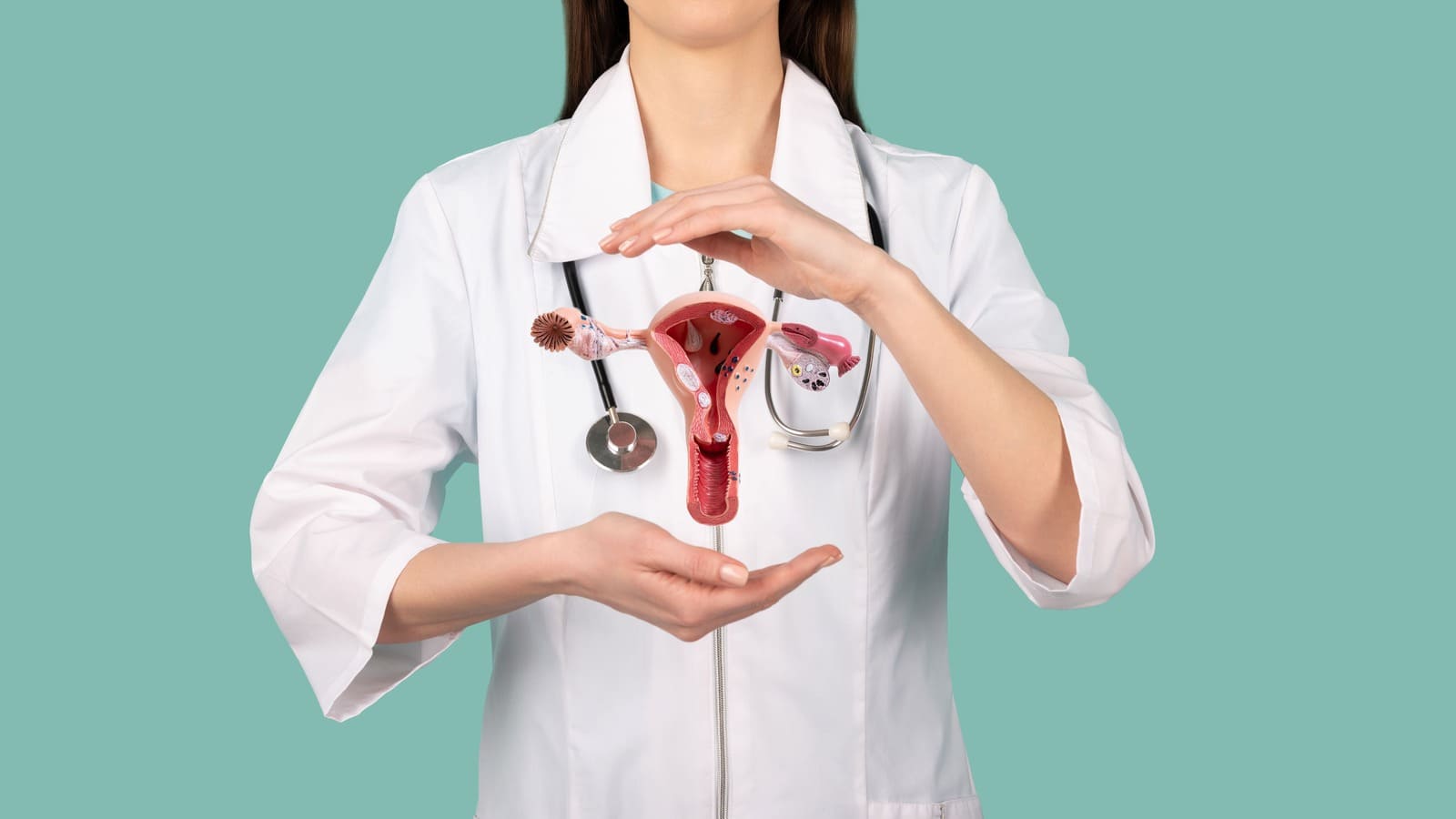
What is endometriosis? It is a disease where tissue similar to the endometrium (the lining of the uterus) grows in locations outside the uterus. These growths are called lesions or implants. They can appear on the ovaries, fallopian tubes, the lining of the pelvis (peritoneum), and other organs.
- When these implants grow on the ovaries, they can form cysts known as ovarian endometriomas or “chocolate cysts.”
- Implants on the peritoneum can sometimes cause scarring, potentially involving the ovaries and blocking the fallopian tubes.
- In some women, the growth is deeper. These cases are often linked to more severe pain, though not necessarily more severe infertility.
The presence of these growths can lead to chronic inflammation, scarring, and the formation of adhesions (bands of scar tissue) that can alter the normal anatomy of the pelvic organs.
How Endometriosis Impacts Conception
A vital question for many is: Why does endometriosis cause infertility? And does endometriosis always cause infertility? The connection is complex. Endometriosis does not always cause infertility, but it is a significant factor in many cases.
How Does Endometriosis Cause Infertility?
The mechanisms behind infertility from endometriosis are varied and often involve both structural and biological issues:
- Anatomical Distortion: Moderate to severe endometriosis can cause extensive scarring and adhesions. This can physically prevent the egg from successfully entering the fallopian tube, or prevent the sperm and egg from meeting.
- Effect on Egg and Embryo Quality: Endometriosis can create a toxic, inflammatory environment within the pelvis. This inflammation may negatively affect the quality of the eggs, the implantation of the embryo, and the function of the fallopian tubes.
- Hormonal Changes: The disease may disrupt the normal hormonal balance necessary for ovulation and the preparation of the uterine lining for pregnancy.
- Decreased Ovarian Reserve: Severe cases, particularly those involving large endometriomas on the ovaries, may require surgical removal. This surgery, while necessary, can sometimes inadvertently reduce a woman’s ovarian reserve (the number of remaining eggs), impacting her ability to conceive, even with treatments like IVF.
Diagnosis and Treatment Pathways
How is Endometriosis Diagnosed?
You might wonder, how to know if you have endometriosis or how to test for endometriosis. While a physician may suspect endometriosis based on signs, such as the 20 symptoms of endometriosis (including chronic pelvic pain, painful periods, pain during intercourse, and heavy bleeding), and findings on a physical exam, a definitive diagnosis requires a surgical procedure.
The most reliable way to diagnose endometriosis is through laparoscopy, a minimally invasive surgery where a surgeon can visually inspect the pelvic organs and remove or destroy implants.
Endometriosis Treatments
Endometriosis treatments aim to manage pain and/or improve fertility:
- Pain Management: Medications like birth control pills and stronger drugs (such as leuprolide acetate) can effectively relieve pain, but they do not typically treat infertility.
- Endometriosis Surgery: Surgical treatment via laparoscopy to remove or destroy lesions and adhesions has been shown to improve fertility, especially in cases of moderate to severe disease. However, repeat surgery is generally discouraged as it may reduce ovarian reserve. Endometriosis surgery healing time varies but often involves a few weeks of recovery.
Endometriosis Infertility Treatment
For couples dealing with infertility from endometriosis, a fertility specialist can guide you toward the most effective endometriosis infertility treatment. Its managament depends on disease severity, age, ovarian reserve, and prior treatment history.
- Ovulation Induction/Intrauterine Insemination (IUI): These less-invasive methods may be attempted, especially in cases of mild or minimal disease.
- In Vitro Fertilization (IVF): Pregnancy rates are often superior with endometriosis infertility IVF compared to attempts at natural conception, especially in moderate-to-severe cases or when other treatments fail. IVF bypasses many of the anatomical issues caused by the disease.
- Fertility Preservation (Egg Freezing): Women with endometriosis who are not yet ready to conceive, particularly those over 30 or with decreased ovarian reserve, should consider consulting a fertility specialist about freezing their eggs for potential future use.
Common Concerns and Facts
Is Endometriosis Autoimmune?
While what causes endometriosis is not definitively known, it is often associated with numerous biochemical and immunological changes. While research in this area is ongoing, some existing research suggests it may involve an altered immune response, leading some to classify it as an autoimmune or auto-inflammatory condition, though this is still a subject of scientific debate.
Can U Get Pregnant with Endometriosis?
Yes, you can. Many women with endometriosis conceive naturally. The endometriosis and infertility rates vary greatly depending on the severity of the disease and other fertility factors. While the condition can make conception more challenging, it does not make it impossible.
Can Endometriosis Cause Cancer?
Endometriosis is generally considered a benign condition. The lesions are non-cancerous. While there is a very small, elevated risk of certain ovarian cancers in women with endometriosis, this risk is rare. Endometriosis itself is not cancer.
Taking the Next Step
Dealing with endometriosis and fertility challenges can feel overwhelming, but you have many options and dedicated specialists ready to help. Understanding these facts empowers you to make informed decisions about your treatment.
We encourage you to continue your research and deepen your knowledge by booking a free, informational consultation with a Beta Plus representative today.
